The Khánh Sơn lithophone, đàn đá Khánh Sơn, is a set of twelve tuned bars of volcanic rhyolite porphyry, in two groups of six, found by the family of Bo Bo Ren, a Raglai man, at Dốc Gạo near Tô Hạp in the late 1970s and dated to roughly 2,500 to 3,000 years old. It was declared a national treasure in the twelfth batch, by Decision 73/QĐ-TTg in 2024, and it is not in Khanh Son: since March 2023 it has been kept at the Khánh Hòa Provincial Museum in Nha Trang.
To hear a lithophone played, rather than see one behind glass, you go the other way, up to Hòn Dung village in Sơn Hiệp, where the last Raglai longhouse in the former district keeps a stone set and two performance groups play it with the mã la gongs. I have done both. The museum is twenty minutes; the village is a weekend.
What is it?
Twelve bars of stone, each shaped and chipped until it rings at a pitch, laid across a frame and struck: a xylophone in rock. The two groups, A and B, have six bars each. The rock is rhyolite porphyry, a volcanic stone that rings when it is dense and unflawed, and the bars were worked rather than found ringing; the flaking along the edges is the tuning. The sources date them at 2,500 to 3,000 years, which puts the makers more than a thousand years before the Cham temple at Po Nagar in Nha Trang, whose founding is recorded as before 781.
Nobody knows who made them. The sources do not name the makers, and I will not; what they do say is that the Raglai were playing stone sets alongside their gongs when the bars came out of the ground, and still are. That is the strongest claim the evidence supports, and it is a strong one.
How was it found?
By a family, not an expedition. The finders were the family of Bo Bo Ren, Raglai, at Dốc Gạo, a mountain area linked to the former Trung Hạp commune and To Hap town. The sources disagree on the year: 1977 for the find, 1979 for the year the bars were handed to the authorities, and some pages give only one of the two. Dốc Gạo is not on any map I could find, and there is nothing at the find spot to visit. I asked in To Hap and was pointed up the valley in a general way, which is as far as I got.
| Date | What happened |
|---|
| 1977 or 1979 | Bars found by the Bo Bo Ren family at Doc Gao and handed to the authorities; sources give both years |
| March 2023 | The set moved to the Khanh Hoa Provincial Museum, Nha Trang |
| 2024 | Declared a national treasure, 12th batch, Decision 73/QD-TTg |
| September 2024 | Khanh Son reports three lithophone classes run and ten sets restored for local use |
| 18 June 2025 | Hon Dung community village, with its longhouse and stone set, launched for visitors |
Where can you see it and hear it?
See it in Nha Trang. The national treasure is in the provincial museum, and I have not put opening hours or a fee here because I could not find them on a page I would trust; go on a weekday morning, as with every museum in this city, and ask. It is a small display and it is the reason to go. The short history of Khanh Hoa puts it at the start of the timeline, before Kauthara and the Cham, which is where it belongs.
Hear it in Khanh Son. By September 2024 the former district had run three lithophone classes, six mã la classes, three epic-singing classes and six Raglai language classes for 402 learners, restored ten lithophone sets for local use, supported twelve performance groups and honoured four master artisans. One of the sets is kept in the longhouse at Hon Dung, which the province recognised as a community tourism village in early 2025 and launched on 18 June 2025, with two groups of fifteen performers, rice wine, chicken in bamboo and crafts. Performances are arranged, not scheduled; book through an operator or ask in To Hap, and read the Raglai of Khanh Vinh first for how I behave there.
The easy, lesser version is the Raglai stage show at Yang Bay park in Khanh Vinh at 10:45 daily, included in the 200,000 VND ticket (2026). It is gongs and dance on a stage, and I would not count on stone.
What does it say about who was here first?
That people were making music on this plateau two and a half thousand years ago, and that the music never stopped. The Raglai were 73.4 percent of Khanh Son’s population in 2024, and their instruments, in every published list, are the mã la gong set, the Chapi bamboo zither, the kèn môi mouth harp and the lithophone. The bars in the museum are older than any written record of this coast; the sets at Hon Dung are being played this year by people who learned in a class the district paid for. Whether the first is the ancestor of the second in blood, no source says. In sound, the two are the same instrument.
Field note: the bars are smaller than you expect, the longest not much more than an arm, and the surface is chipped all over like a flint tool. That chipping is the tuning. Stand close; the labels are the best in the museum.
What I’d do
- Start at the provincial museum in Nha Trang on a weekday morning: twenty minutes with the bars, and read the labels, which give the find and the dating.
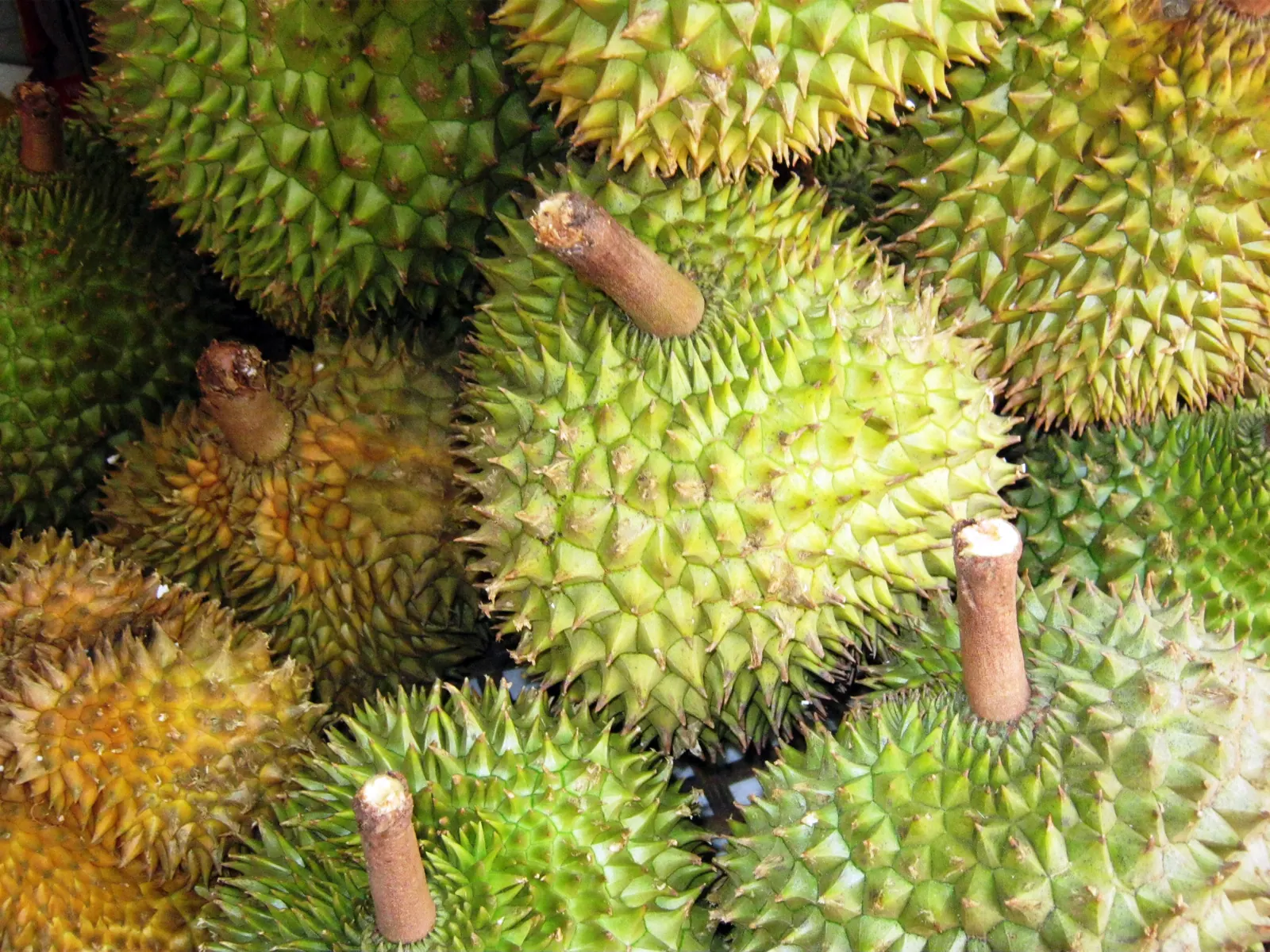
- Then go up to Khanh Son for a weekend in July or August, when the durian makes the trip worth it on its own, and arrange a Hon Dung visit in advance.
- At Hon Dung, hear the stone set with the gongs and buy the rice wine; that is the transaction the village has set up.
- Do not go looking for Doc Gao. There is nothing there to see, and the valley above To Hap is orchards and private land.
- If you cannot get to Khanh Son, the Yang Bay show at 10:45 is gongs and dance on a stage, an hour from the city; it is not the same thing, and it is better than nothing.