The Raglai are the people of the two mountain districts, and in Khánh Vĩnh there is, as of September 2026, no village set up for visitors: the district’s plan of October 2024 promised at least three community tourism villages by 2025, and I have not found one open. What is for sale in Khanh Vinh is a stage performance inside Yang Bay park, farm parks along the road to the pass, and green-skin pomelo at the farm gate. The one Raglai village that does take visitors, Hòn Dung, is over the mountains in Khánh Sơn and opened in June 2025.
What is polite is harder, because I could not find a published etiquette guide for Raglai villages anywhere, and the one official culture page I tried loaded empty. So the second half of this post is my own practice, labelled as such. Nothing here is a story about a family I met, because I would not put one in print.
Who are the Raglai?
An Austronesian people of the Malayo-Polynesian branch, which puts their language in the same family as Cham and Malay, not Vietnamese. The 2019 census counted 146,613 Raglai in Vietnam, up from 122,245 in 2009 and 96,931 in 1999. In 2009, 58,911 lived in the former Ninh Thuận and 45,915 in Khanh Hoa, over three quarters of those in the former Khanh Son and Khanh Vinh districts. Those are 48.2 and 37.6 percent of every Raglai counted that year, so since the two provinces merged on 1 July 2025 roughly 86 percent of them, on the 2009 figures, live in one province.
Kinship is matrilineal: daughters inherit the property and look after aged parents. The traditional house is a stilt house with a low floor; the last traditional longhouse (nhà dài) in Khanh Son stands at Hon Dung in Sơn Hiệp. The music is built on mã la gong sets, the Chapi bamboo tube zither, the kèn môi mouth harp and, historically, the stone lithophone, which has its own post on the stone lithophone of Khanh Son.
| Figure | Year |
|---|
| Raglai in Vietnam | 96,931 | 1999 census |
| Raglai in Vietnam | 122,245 | 2009 census |
| Raglai in Vietnam | 146,613 | 2019 census |
| In Khanh Hoa | 45,915 (37.6 percent of all Raglai) | 2009 census |
| Share of Khanh Vinh’s population | 49 percent (16,297 people), the source rounding up 48.3 | 2009 census |
| Share of Khanh Son’s population | 73.4 percent | 2024, provincial party site |
What is Khanh Vinh like?
The largest and emptiest district in the old province: 1,165 km2, 33,714 people at the 2009 census, about 29 per square kilometre, three quarters forest, rising to Hòn Giao at 2,062 m. The Raglai were 49 percent, Kinh about 27.5 percent and Cơ Ho 14 percent, with Ê Đê, Tày, Nùng and Mường minorities and, in Báo Khánh Hòa’s list, the T’rin. Since 1 July 2025 the district is five communes: Khanh Vinh, Bắc, Trung, Tây and Nam Khánh Vĩnh.
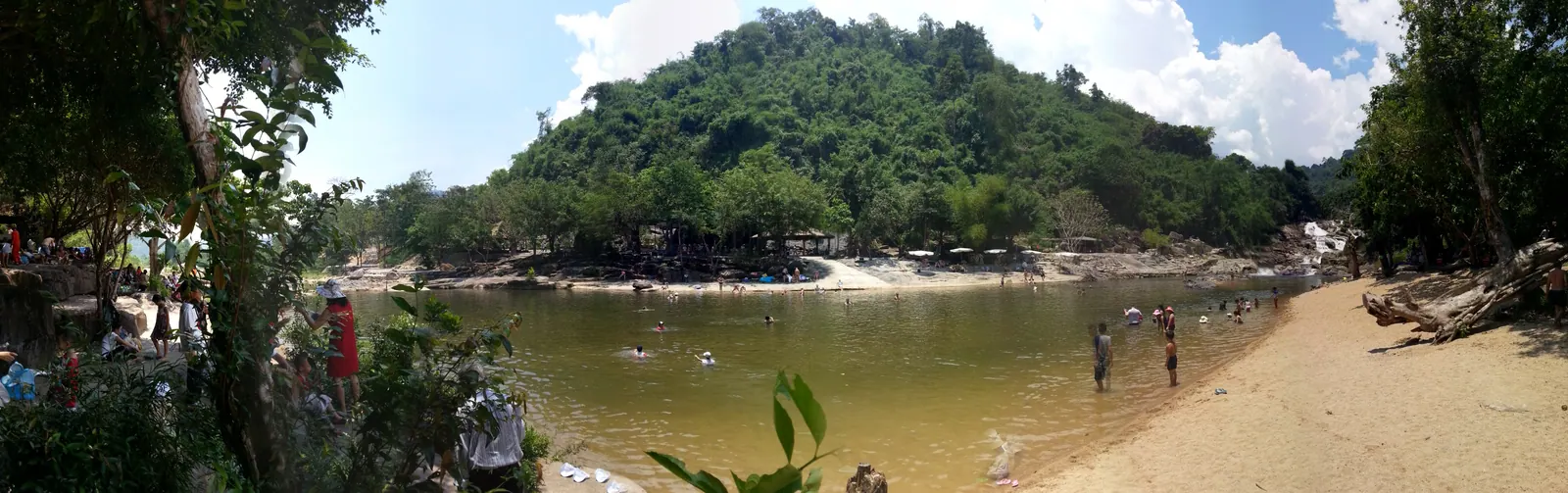
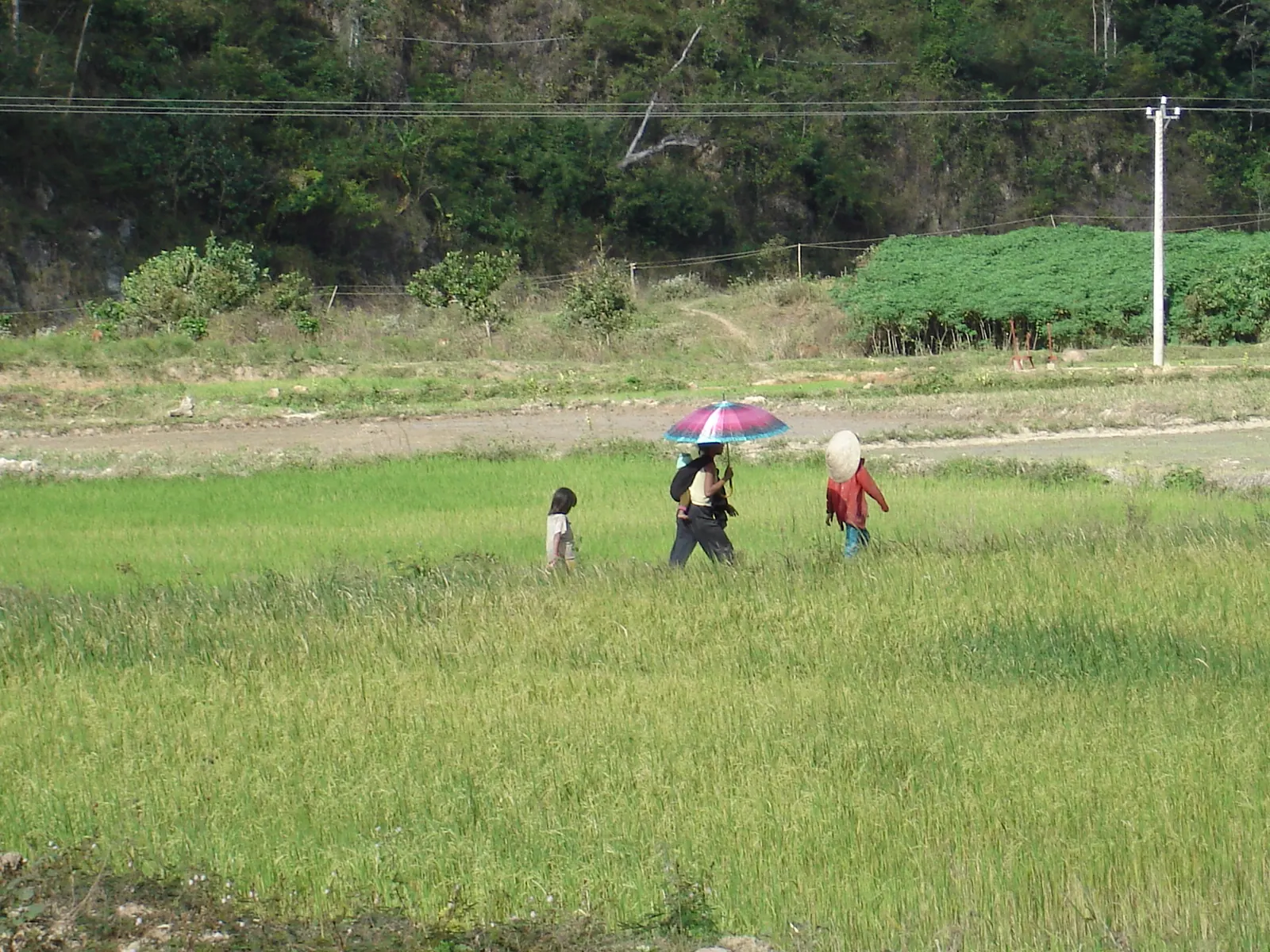
What you see from QL27C is orchards, acacia, a river with cattle standing in it, and villages of concrete and timber houses set back from the road, with the older stilt houses in the side valleys. The streams Bao Khanh Hoa listed in October 2024 are Yang Bay in Khánh Phú, Suối Mấu in Khánh Thượng, Ê Đu in Giang Ly, Zi-ông in Khánh Trung and Salawen in Khánh Hiệp, plus a hot spring at Khánh Thành; the working tourism sites were Yang Bay park, Hoa Quả Sơn farm in Khanh Trung, Tiên Long Farm in Khanh Phu and a farming co-operative at Cầu Bà. None of those is a Raglai village.
What is for sale?
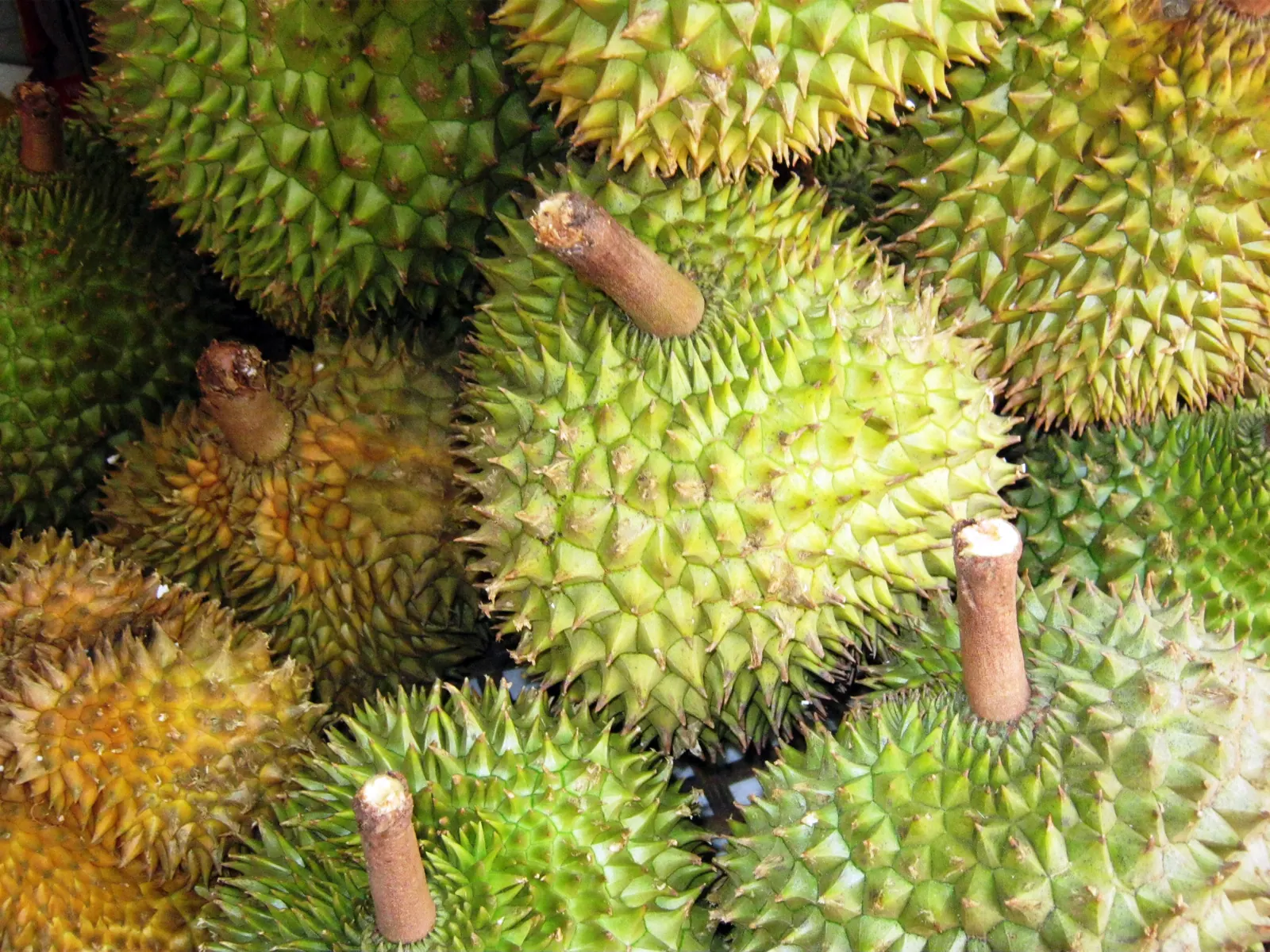
Three things, honestly priced. First, the Raglai performance inside Yang Bay park at 10:45 daily, included in the 200,000 VND ticket (2026): gongs and dance on a stage, well done, and a show rather than a visit. Second, green-skin pomelo, the district’s signature crop: about 600 ha planted across the five communes, about 330 ha of it bearing in July 2025, picked from late July and sold at 20,000 to 40,000 VND a kilo at the farm gate. Buying a pomelo from a roadside table is the most ordinary contact you will have, and the best.
Third, over the mountain: Hon Dung community tourism village in Son Hiep, Khanh Son, recognised by the province in early 2025 and launched on 18 June 2025. It has the longhouse, a lithophone set, two performance groups of 15, rượu cần rice wine, chicken grilled in bamboo tubes, basket weaving, crossbow making and forest walks, and a target of at least 5,000 visitors a year. No named homestay with a price appears in any source I could fetch, so book through an operator or ask in Tô Hạp. It is the same trip as Khanh Son in durian season, and August is when I would combine them.
What is polite? My rules, not a source’s
I looked for a published guide and found none, so these are mine, formed over two years of riding through and from the one warning the heritage sources do give: the bỏ mả grave-leaving ceremony, three days long and on the national intangible heritage list, is a family funeral rite, attended only by invitation.
- Buy something, at the price asked. The pomelo, the rice wine, the basket. That is the transaction people have set up for you.
- Ask before photographing a person, a house or a grave house, and accept a no without a second try. A wave of the hand is a no.
- Do not walk into a village on foot to look at it. Ride through on the road, stop where there is a stall, and go to Hon Dung, which is set up for visitors, rather than into a village that is not.
- Go with someone from the village or with an operator for anything beyond the roadside. The province’s preservation work in Khanh Son, six mã la classes, three lithophone classes and 402 learners by September 2024, is run by the communities for themselves, not for tourists.
- Learn three words. My Vietnamese is poor and my Raglai is none; a greeting and a thank-you were still noticed.
Field note: the pomelo tables appear on the Khanh Phu stretch of QL27C from late July. The fruit is heavy, the skin is green, and the seller will tell you which one is ready today. Take that one.
What I’d do
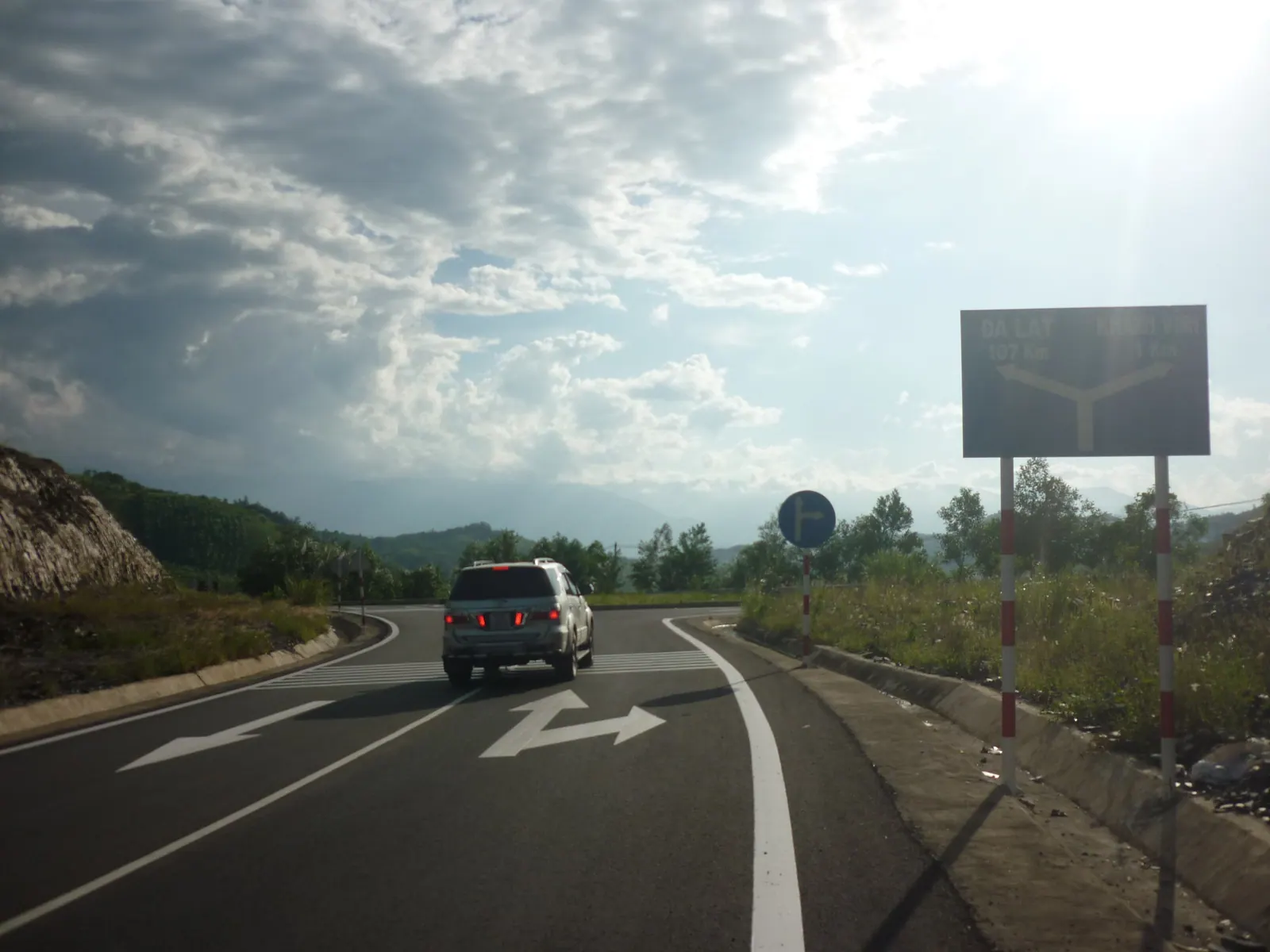
- Ride QL27C west on a dry morning, stop for pomelo in Khanh Phu or on the town side in August, and carry on to the foot of the pass and back. That is the honest Khanh Vinh day.
- If you want the music, be at Yang Bay for 10:45. It is a show; treat it as one.
- For a village, go to Hon Dung in Khanh Son instead, on a weekend in July or August with the durian, arranged in advance.
- Do not ask to see a bo ma. If you are invited to anything, follow the family’s lead and leave when they do.
- Go back for the new-rice festival after the harvest if you know someone who can take you; it is the one calendar event the sources describe, and I have not yet been.