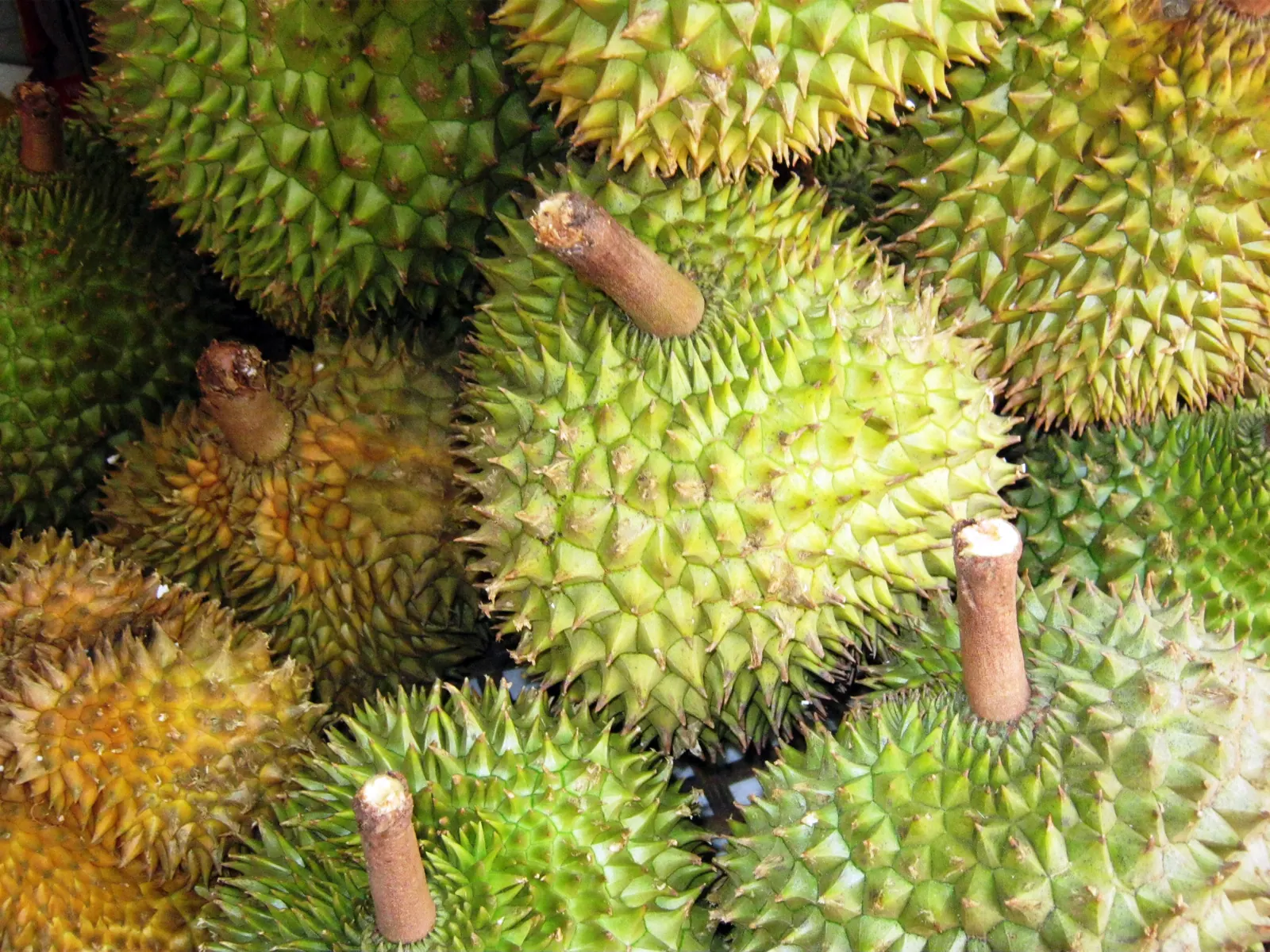
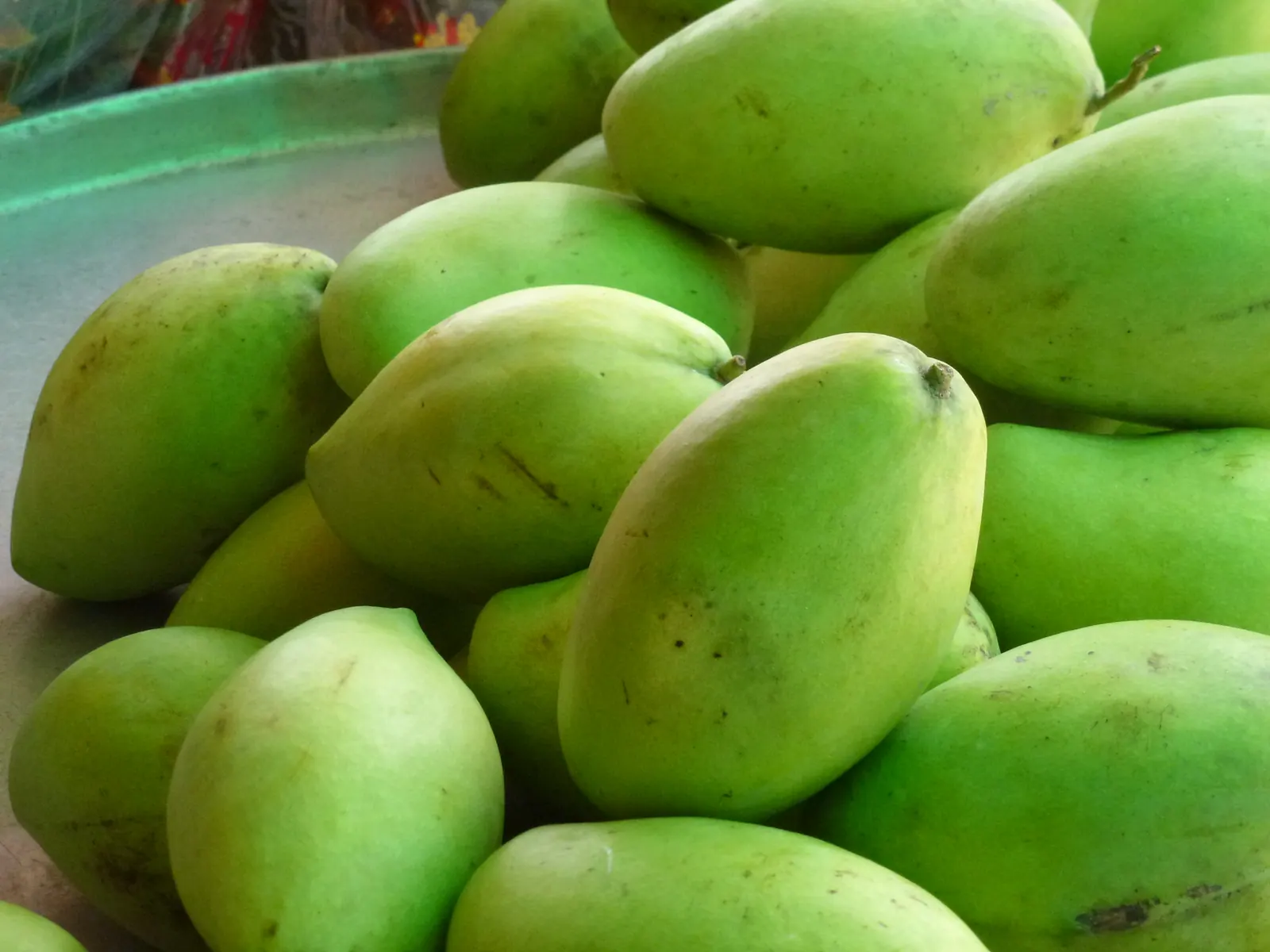
Go in August, and stay the night. Khánh Sơn’s durian ripens from about July to the end of August and peaks in August, one to two months after the Mekong Delta and a month before the Central Highlands, which is why it sells at a premium and why the valley around Tô Hạp smells the way it does for six weeks. In 2026 the former district had over 3,800 ha of durian, over 2,600 ha of it bearing, and a forecast crop of 40,000 to 41,000 tonnes worth about 2,000 billion VND, from more than 4,600 growing households, over 2,500 of them Raglai and other minorities.
I went up in August 2025 on the motorbike, from Nha Trang by way of Cam Ranh, and it is the least visited good place I know in the province: one road in, one town, a waterfall, a lithophone, and fruit. This is the trip in general terms, with every figure from a dated source.
How do you get up there?
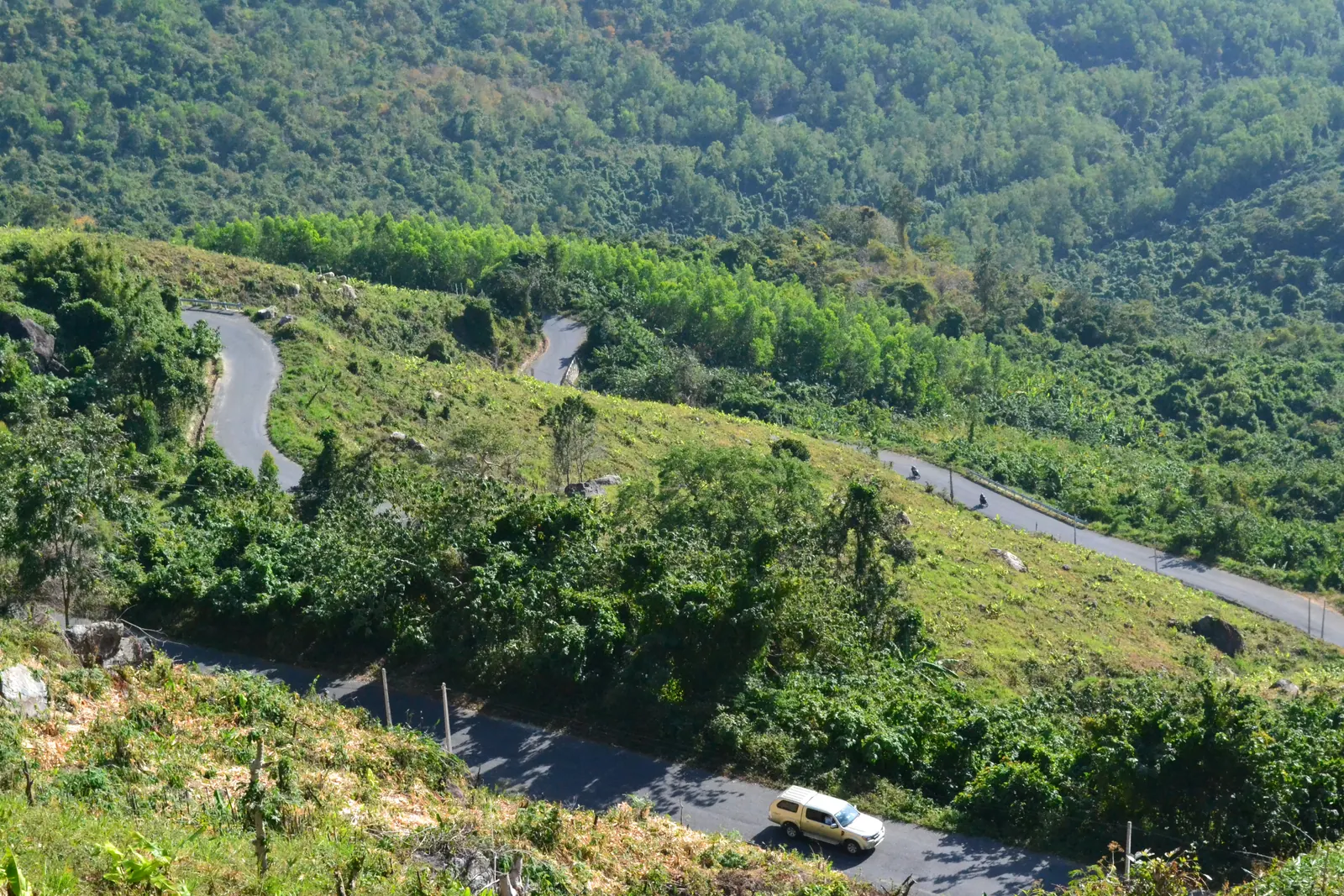
There is one sealed road. From Nha Trang take National Route 1 south, about 30 to 35 km past Cam Ranh airport to the Ba Ngòi junction in Cam Ranh, then turn west onto Tỉnh lộ 9, mapped as ĐT 656, which climbs over the Khánh Sơn pass at 600 m and drops into the To Hap valley about 40 km from Cam Ranh and 100 km from Nha Trang. The pass section is steep and winding and I would only ride it in daylight; about an hour from Cam Ranh to To Hap is the published estimate, and it matches mine on a small bike. The Cam Ranh Guide page on Ba Ngoi market is where I have breakfast before the climb.
Because it is the only road, it closes when the weather says so. On 6 November 2025 storm-felled trees shut it at about 17:00 and both ends were sealed off until traffic resumed at 22:00, and in September 2026 it was on the list of pass roads being repaired before the rains, alongside the Khánh Lê pass. Durian season falls inside the dry months, which is one more reason August is the month. The pass road is a leg of my seven-day motorbike loop of the province, and the one leg I would not do in November.
What is the plateau like?
Cool, and I cannot tell you exactly how high. No fetched source gives an official elevation for To Hap; a travel site says nearly 1,000 m for the district and a trekking operator’s profile puts the valley floor at about 400 m, so I will say only that it is noticeably cooler than Cam Ranh and that the mornings need a jacket. The one thing every source and every local agrees on is the cloud sea in the To Hap valley at dawn, best from about 05:30 to 06:30, which is the reason to sleep there rather than day-trip.
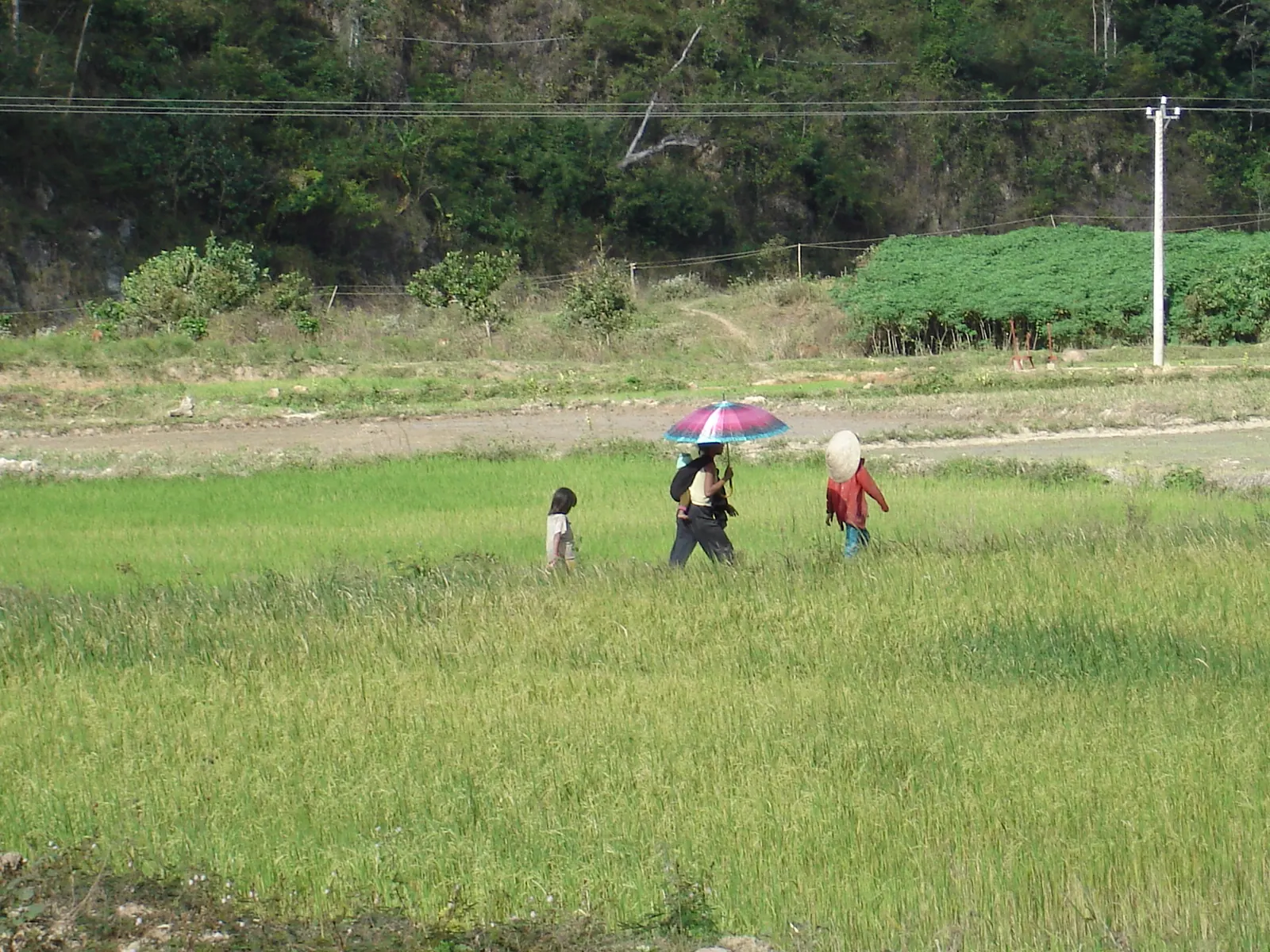
Khanh Son was a district of 338.02 km2 with 23,388 people in 2015, 73.4 percent of them Raglai in 2024. Since 1 July 2025 it is three communes, Khanh Son, Đông Khánh Sơn and Tây Khánh Sơn, and To Hap is the centre of the first. It is a small town of one main street and a market, with a handful of places to sleep that I cannot name from any source I trust, so I will say only that rooms exist, that I found one, and that booking ahead in the second week of August is sensible.
What does the durian cost, and which one?
Monthong and Ri6, with some Chín Hóa. In July 2024 farm-gate prices were 55,000 to 60,000 VND a kilo for Ri6 and 75,000 to 85,000 VND wholesale for Monthong, with grade-one Monthong at 98,000 to 103,000 VND retail; by August 2026, with far more trees bearing, the price had come down to about 50,000 VND a kilo. Trees six or seven years old give 15 to 20 tonnes a hectare. The crop replaced coffee, purple sugarcane, bananas and acacia; mangosteen, rambutan and green-skin pomelo grow alongside it, and the valley had five approved growing-area codes for export to China by 2024.
| Season | Area | Bearing | Crop | Price |
|---|
| 2023 | | | 15,000 tonnes, 130 tonnes exported to China | |
| July 2024 | 2,600 ha | about 1,600 ha | 17,000 tonnes forecast | Ri6 55,000 to 60,000 VND/kg; Monthong 75,000 to 85,000 VND/kg wholesale |
| August 2026 | over 3,800 ha | over 2,600 ha | 40,000 to 41,000 tonnes forecast | about 50,000 VND/kg |
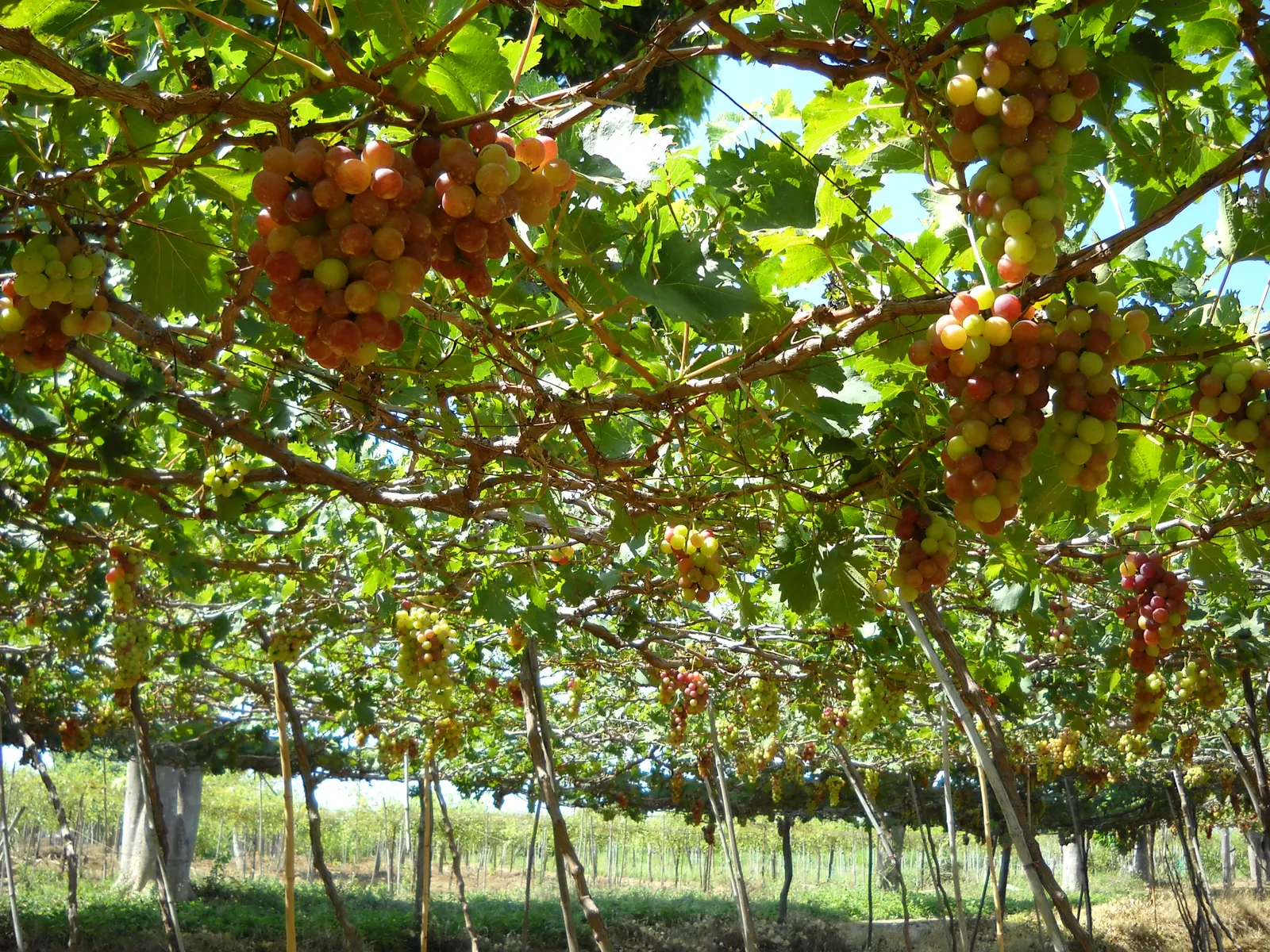
Buy from the roadside stalls along the valley around To Hap and Sơn Bình, or at the pass-top rest stop, and let the seller open it. I paid less than I expected and ate more than I should have. The fruit calendar for the province puts durian next to the mango, grape and pomelo months if you are planning a year of this.
Is there a festival?
There was, and it has changed shape. The Khanh Son Fruit Festival held its third edition from 10 to 13 August 2024 with 60 stalls of fruit and handicrafts, timed to the durian peak, and drew about 20,000 people. After the district was abolished in July 2025 the 2026 harvest event was smaller and moved to the top of the pass: a cultural space and market at the Đông Khánh Sơn rest stop on 14 and 15 August 2026, with an evening programme from 17:00 to 21:00 on the first day, a produce market from 06:00 to 10:00 on the second, ten stalls, Chapi and mã la music, tug-of-war, stilt walking and rice pounding. I missed it, and I would plan next August around whatever replaces it.
What else is up there?
The Tà Gụ waterfall, 40 m in a single ribbon about 10 to 15 km from To Hap, is the half-day. The stone lithophone found at Dốc Gạo near To Hap in the late 1970s is the story, though the original is in the provincial museum in Nha Trang; what you can hear up here are the sets at Hòn Dung village in Sơn Hiệp, launched for visitors on 18 June 2025. Tà Giang hamlet is a walk-in of over 20 km, which I have not done.
Field note: the cloud sea is real and it is early. On my August morning it had burned off soon after seven. Set an alarm for five, ride ten minutes up the valley side, and bring the jacket you thought you would not need.
What I’d do
- Leave Nha Trang at 06:00, fuel and breakfast at Ba Ngoi, and be over the 600 m pass before the sun is on it. Stop at the pass-top rest stop for the view and the fruit stalls.
- Reach To Hap late morning, find a room, and spend the afternoon on the valley road buying durian by the kilo, with the seller opening it.
- Next morning, up at 05:00 for the cloud sea, then Ta Gu waterfall before the day-trippers from Nha Trang arrive.
- Ride out by early afternoon so the pass is behind you in daylight, with the durian strapped to the outside of the bag, not inside it.
- If it is raining hard in the valley, do not wait it out on the pass; it closes.