Dai Lanh is the best beach in Khanh Hoa, Doc Let is the one I go back to most, and the city beach in Nha Trang, the one most visitors swim at, is sixth of the eight I would actually swim at. Bai Dai, Binh Lap and Ninh Chu fill the middle. Mui Dinh and Ca Na are stops with sand attached, and Hang Rai is a rock shelf I would not swim off at all.
The order weighs sand and water first, then the road to get there, what stands behind the beach, and who else is on it.
How the ranking works
Season decides more than the beach does. The whole coast is dry from January to August and wet from September to December, and the sea off Nha Trang sits between 25.5 and 29 degrees through the year. From about November to March the wind is up and the water turns cloudy on the Cam Ranh coast, and October and November are the two months I would not plan a beach around. The long version is in Khanh Hoa month by month.
1. Dai Lanh (Đại Lãnh)
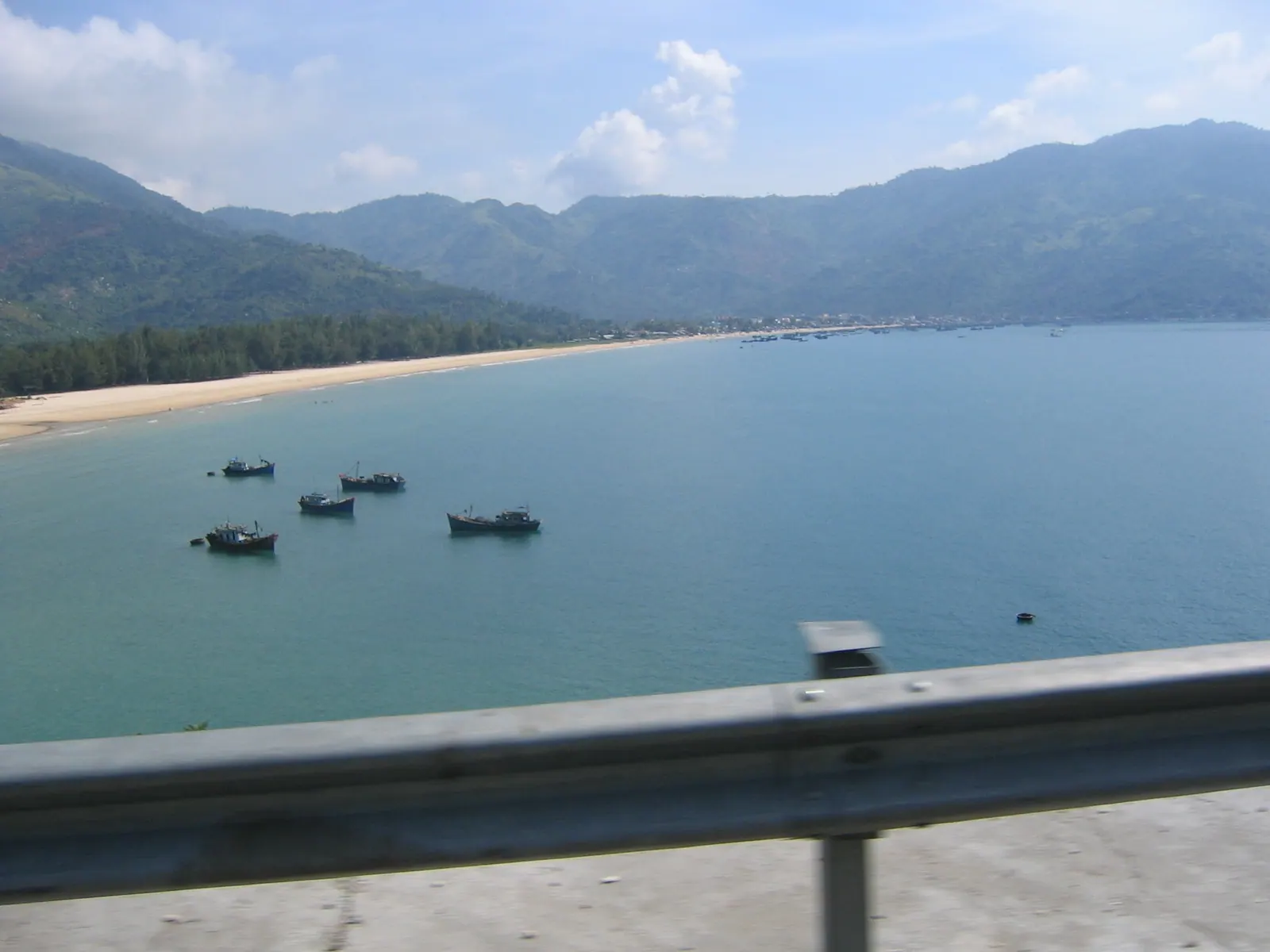
Eighty kilometres north of Nha Trang, the last beach before the Ca pass, and the one I would send a friend to if they had a single free day and a bike. It is a long crescent of pale sand with a fishing village at one end and the pass road climbing away at the other, and on a weekday in April there is nobody on it. The managed section charged 20,000 VND a person with a freshwater shower in 2025.
March to August is the window. From October to December the surf builds and a rip runs; I have watched it from the sand and stayed dry. The ride is written up in Dai Lanh beach and the Ca pass.
2. Doc Let (Dốc Lết)
Doc Let is 46.3 km north along Highway 1, about an hour, and it is where I take people who want to be in the water rather than looking at it. The sand is white and the sea stays shallow a long way out, which makes it the best beach near the city for anyone who does not swim well. The gated resort strip on the best stretch charged 50,000 VND an adult and 25,000 VND a child in 2025, chair and shower included, and there is ungated sand outside it.
Two honest notes. The Hyundai shipyard sits on the same headland and you can see it from the northern end, and Vietnamese families fill the resort strip at weekends. Go on a weekday, and go early enough for the Hon Khoi salt pans, about a kilometre from the beach. More in Doc Let on a weekday.
3. Bai Dai (Bãi Dài)
Bai Dai is the long beach on the airport road, about 12 km from Cam Ranh airport and 20 to 25 km south of the city. It is public and free, with access points between the resorts, and at low tide the sea pulls back off a sand flat wide enough to walk for an hour. The catch is that same tide: by the Vietnamese Wikipedia account the bathing season runs about six months, with high water covering the swimming areas for the rest of the year, and from November to March the wind that brings the kite riders makes it a poor swim.
On a calm morning in May it is as good as anything in the province, with the Cam Ranh peninsula across the water and nobody within a hundred metres. The Cam Ranh Guide page on Bai Dai has the practical detail, and the windy half of the year is in Bai Dai in the wind season.
4. Binh Lap (Bình Lập)
Binh Lap is a peninsula on the south side of Cam Ranh bay that you reach entirely by road, about 80 km from Nha Trang and about 50 km from the airport. Since the province’s order of 4 June 2026 stopped every tour to Binh Ba and Binh Hung, it is the lawful way to get the island feeling near Cam Ranh. It is a string of small bays rather than one beach, and most of the usable sand belongs to camps and small resorts that charge a day-use fee I never found published.
The water in the sheltered bays is the clearest I have swum in on the mainland. One guide names June to August; I would say March to September. The rest is in a weekend in Binh Lap.
5. Ninh Chu (Ninh Chử)
Ninh Chu is Phan Rang’s beach, about 8 km east of the town and roughly 100 km south of Nha Trang. It is free, long and almost entirely domestic: on a weekday it is empty, and on a Sunday the whole of Phan Rang is on it. It is the southern end of the kite coast that runs north to My Hoa; from about November to March the swimming is poor, and January to August is its season.
It is a good beach in a town rather than a great one, and the base for the coast road north to Hang Rai and Vinh Hy. The wind calendar is in kitesurfing season in Phan Rang.
6. The Nha Trang city beach
The beach along Tran Phu is about 7 km of sand with a wide, loud boulevard behind it, and I swim there more than anywhere because I live ten minutes away. Between about 05:30 and 08:00 it belongs to the city’s swimmers and it is genuinely good; by mid-morning the sand is hot, the road is roaring and the sunbed operators want money. It is the only beach in the city with staffed rescue stations, and it needs them. Rip currents form off the Ba Lang embankment, in front of the College of Culture, Arts and Tourism and near Hon Chong, and the sea runs high in winter: on 20 February 2026 the rescue team pulled ten people out of rough seas over Tet. A red flag means stay out.
The beachfront is more open than it has been in years, because the Ana Mandara resort that blocked the sand was demolished in 2024 and 2025. Where I go in, and where I do not, is in where I actually swim in Nha Trang, and the Nha Trang Guide page on the beach has the rest.
7 and 8. Mui Dinh (Mũi Dinh) and Ca Na (Cà Ná)
Both are in the far south and both are stops. Mui Dinh is a cape of boulders and dunes about 40 km south of Phan Rang: a 7 km side road to a car park, then 1.5 km on foot across sand and rock to the lighthouse the French built in 1904. There is no entry ticket, and the parking fee is in the table. I have swum below the dunes once and walked it more often. Ca Na, 135 km south of Nha Trang, is where Highway 1 and the railway squeeze between the mountains and the sea, and the beach is exposed to both. I stop for the salt pans and the view, and I have swum there exactly once. Mui Dinh, the dunes and the lighthouse walk explains the jeep question.
Hang Rai, which is not a beach
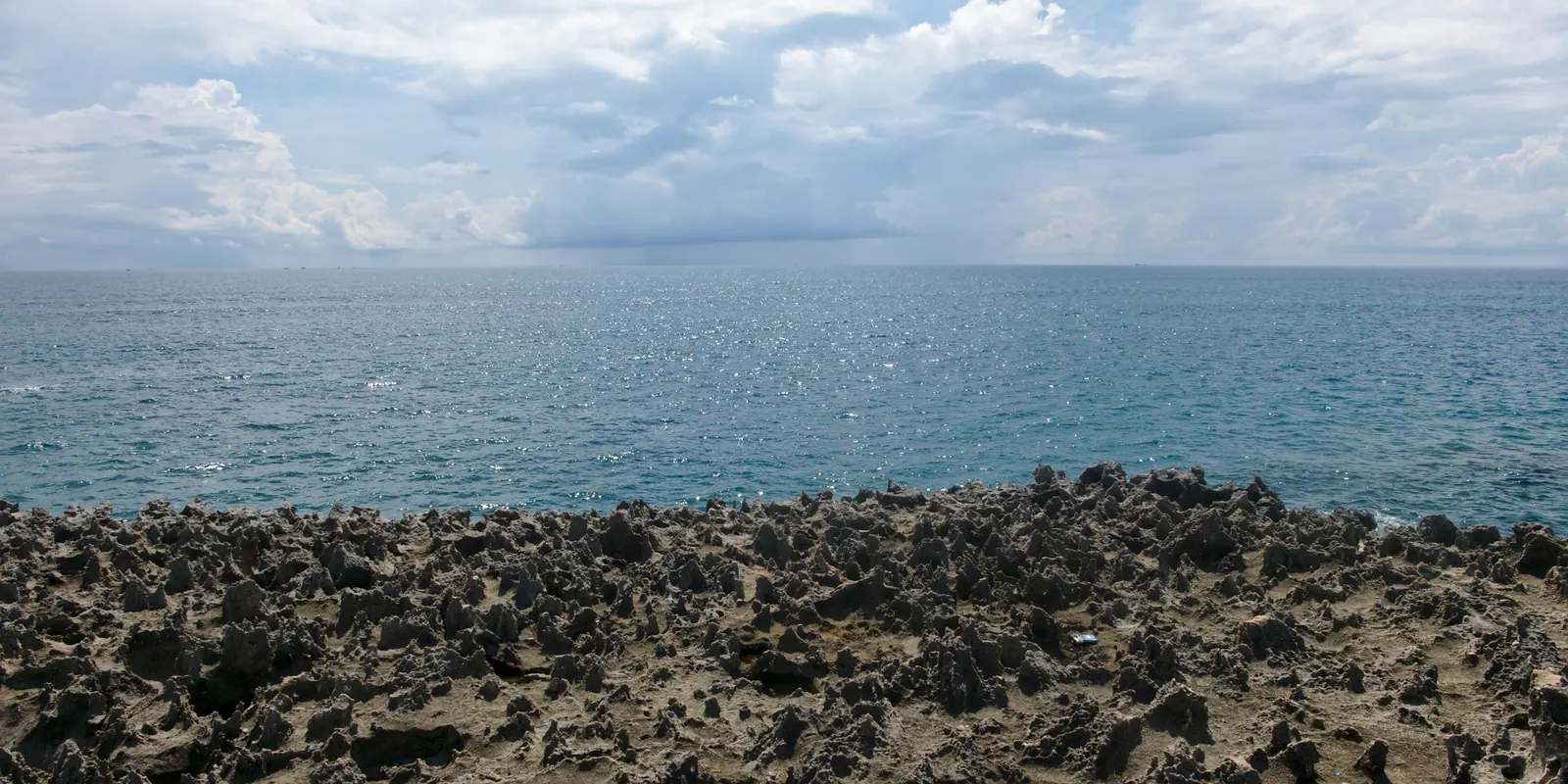
Hang Rai (Hang Rái) is a shelf of raised fossil coral on the coast road about 35 km from Phan Rang, and it is on every beach list. It is sharp rock with sets rolling over the lower terraces, and I would neither swim off it nor turn my back on the sea there. Go at sunrise on a falling tide for the water draining off the shelf, and in February and March for the green moss, which a Thanh Nien report says grows most in those months. The full account is in Hang Rai at sunrise.
The table
| Beach | Road distance | Entry | Months I would go | Crowds |
|---|
| Dai Lanh | 80 km from Nha Trang | 20,000 VND with shower (2025) | March to August | Empty on weekdays |
| Doc Let | 46.3 km from Nha Trang | 50,000 VND resort strip (2025); public sand free | March to August, weekdays | Full at weekends |
| Bai Dai | 12 km from the airport | Free | April to September, at low tide | Thin |
| Binh Lap | about 80 km from Nha Trang | Camp day-use fees, unpublished | March to September | Holidays only |
| Ninh Chu | about 100 km from Nha Trang | Free | January to August, weekdays | Sundays |
| Nha Trang city | in town | Free | February to May, before 08:00 | Always |
| Mui Dinh | about 40 km from Phan Rang | None; motorbike parking 5,000 to 10,000 VND (2026) | Dry months, early | Thin |
| Ca Na | 135 km from Nha Trang | Free | Dry months | Thin |
What I’d do
With one free day and a motorbike: leave Nha Trang by 07:00, ride Highway 1 to Dai Lanh, swim before the wind gets up, eat in the village, and ride up the old Ca pass road for the view before turning back.
With half a day: Doc Let on a weekday, salt pans first while the light is low and the workers are still out, then the water, then the seafood market by the resort strip.
With a flight to catch: Bai Dai, after checking the tide, in the last hour before the airport.
In October or November: none of them. Wait for a flat morning and swim in front of a rescue station on Tran Phu, or go inland to the waterfalls instead.