Bánh ướt in Diên Khánh is worth the ten kilometres for the way it is served rather than for what it is. One paper-thin rice sheet is steamed while you sit there and put in front of you on its own small plate with scallion oil, a pinch of shrimp or pork floss and fish sauce; you eat it, the next plate arrives, and the empty plates stack up until you say stop. Ten plates is a normal sitting, which is why the local name is bánh ướt chồng đĩa, stacked-plate bánh ướt.
It is a breakfast. The street known for it is the strip of eateries along National Route 1A in Phú Khánh Trung, on the way into the citadel town, 10 km west of Nha Trang. Go before eight, then walk the citadel while it is still cool.
What is bánh ướt, and what is different about Dien Khanh’s?
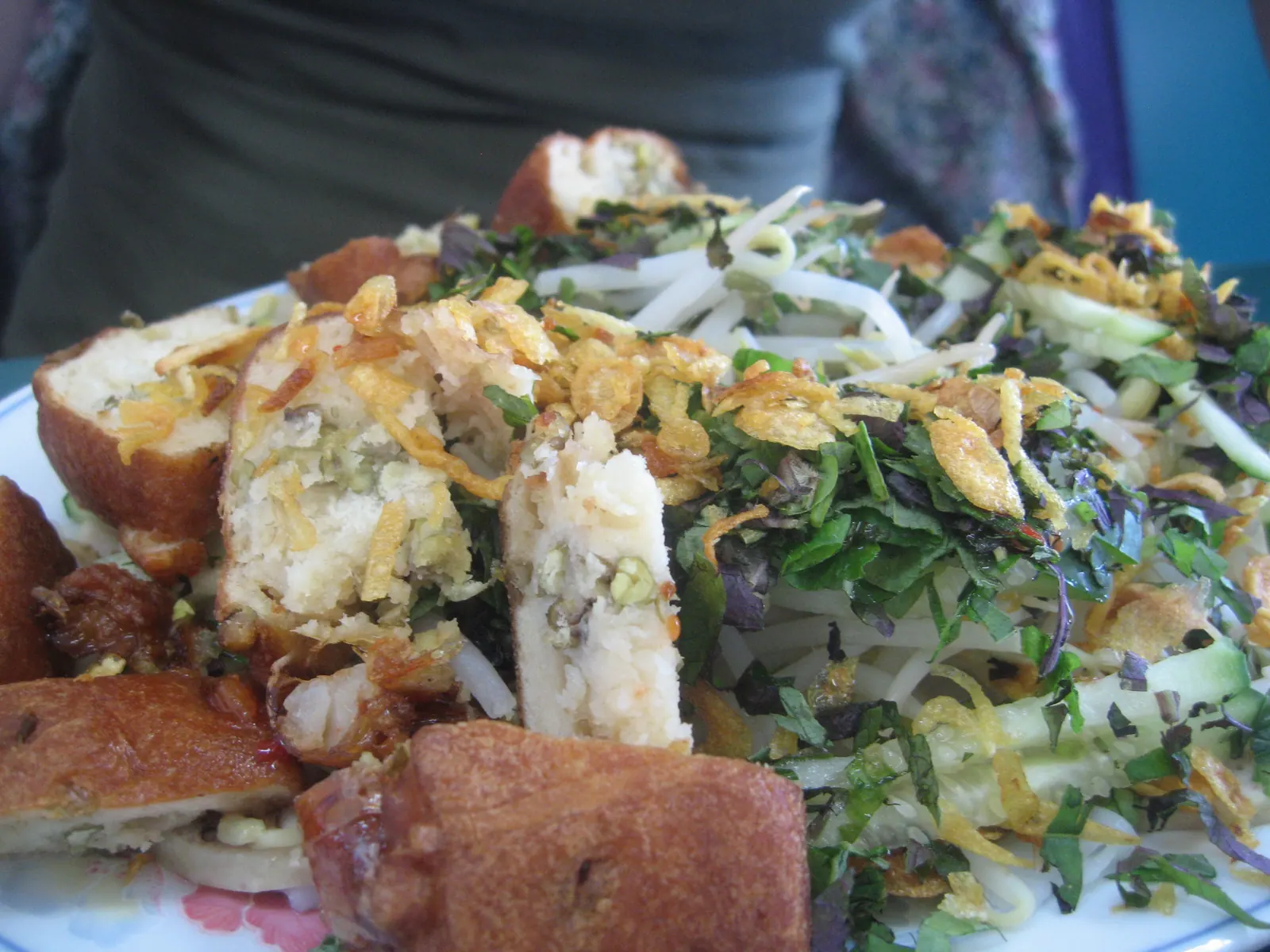
Bánh ướt is a sheet of rice batter steamed on cloth stretched over a pot, lifted off with a stick and served soft, which is what the name means: wet cake. It is eaten in some form all over the country, and in Nha Trang it usually comes as a plate of several sheets folded together under fried shallot, with slices of chả (fish cake or pork sausage) and a bowl of fish sauce on the side. A filling plate, and a slightly anonymous one.
The Diên Khánh version changes one thing, and it changes everything. Each sheet is steamed to order and served alone, hot, the moment it comes off the cloth, with scallion oil and chà bông or ruốc, the pork or shrimp floss, on top. You eat it in three or four bites while the next one steams. Because the sheets come one at a time, none of them has had a chance to cool and stick to its neighbour, and the meal becomes a rhythm rather than a plate: eat, stack, wait, eat.
The empty plates are the bill. Nobody writes anything down; when you are done, the pile is counted. I have not found a written source for that, so take it as what I have seen at the tables I have sat at, but it is the whole logic of serving the dish this way.
Where is the bánh ướt street?
On National Route 1A in Phú Khánh Trung, a village on the Nha Trang side of Diên Khánh town, which is 10 km west of the city along đường 23 tháng 10; the road changes its name to the highway and the shops are on it, a run of small open-fronted eateries with steamers at the front. The SGTourism write-up of November 2024 names the street and not the shops, and I am going to follow it, because the eatery I use is a family front room with no sign I could point you to, and the one you find will be as good. Choose the one with the most motorbikes outside at seven in the morning. That method has not failed me here.
I have not verified opening hours for any of them. They are breakfast places; the steamers are going early, and my experience is that by mid-morning the choice narrows. If you come in the afternoon, expect to be disappointed, or to be eating something else.
What does it cost?
The sister guide’s 2026 research gives 2,000 to 20,000 VND a plate depending on how the shop counts, with a serving most commonly 15,000 to 20,000 VND. In practice the price of a single plate is small and the total is however many plates you stacked. It cost less than I expected the first time and it still does; I have not kept the receipts and I am not going to invent a figure.
| Where | Address | Note |
|---|
| The bánh ướt street, Diên Khánh | National Route 1A, Phú Khánh Trung, 10 km west of Nha Trang | The original; one plate at a time |
| Bánh ướt Diên Khánh 16A | 16A Hồng Lĩnh, Phước Hòa, Nha Trang | Named for the town; one of the city’s best-known addresses |
| Bánh ướt cô Hà | 716 đường 23 tháng 10, Vĩnh Thạnh, Nha Trang | On the road out towards Diên Khánh |
| Quán Bình Minh | 139 Ngô Gia Tự, Tân Lập, Nha Trang | Central; the one I send people to who will not leave the city |
The three Nha Trang addresses are from the same November 2024 source, and I have not confirmed their hours. Ward names changed in July 2025 and the shop signs mostly have not, so use the street and the number.
How do you eat it?
Sit down and it starts; you rarely need to order, because there is one thing. The plate comes with the sheet already dressed. Spoon fish sauce over it or dip, add chilli if the pot is there, fold the sheet with chopsticks and eat. The floss gives it salt and texture, the scallion oil gives it fat, and the sheet itself tastes of rice and steam and not much else, which is the point. Some shops put out a plate of herbs and bean sprouts; some do not.
The two words are thêm, more, and thôi, enough. You will not need the first, because the plates keep coming until you say the second. Stop one plate before you think you should; a sheet is small and ten of them is not.
Field note: the stack tells you the pace of the place. Tall stacks in front of the builders at the next table mean the steamers are hot and the sheets are coming fast; a slow stack is a slow morning. Both are fine.
How do you fit it into a morning?
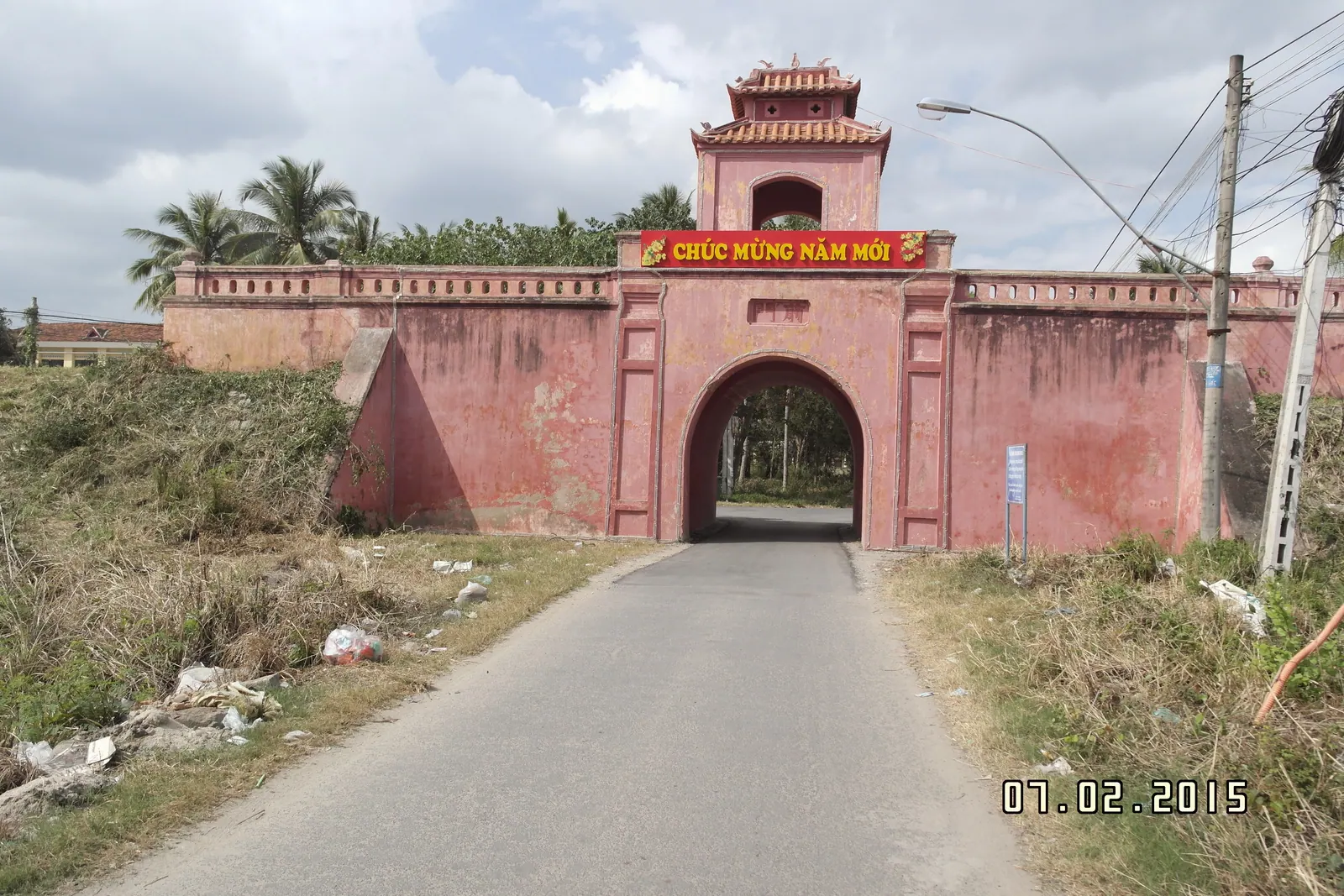
The town is the point. Eat at seven, then ride the last stretch to the citadel and walk the four gates before the sun gets onto the ramparts; the restoration there is meant to finish by 31 October 2026, and my notes on what is open are in an afternoon at the Dien Khanh citadel. Diên Khánh is also known for bún cá, the fish noodle soup, if one breakfast is not enough.
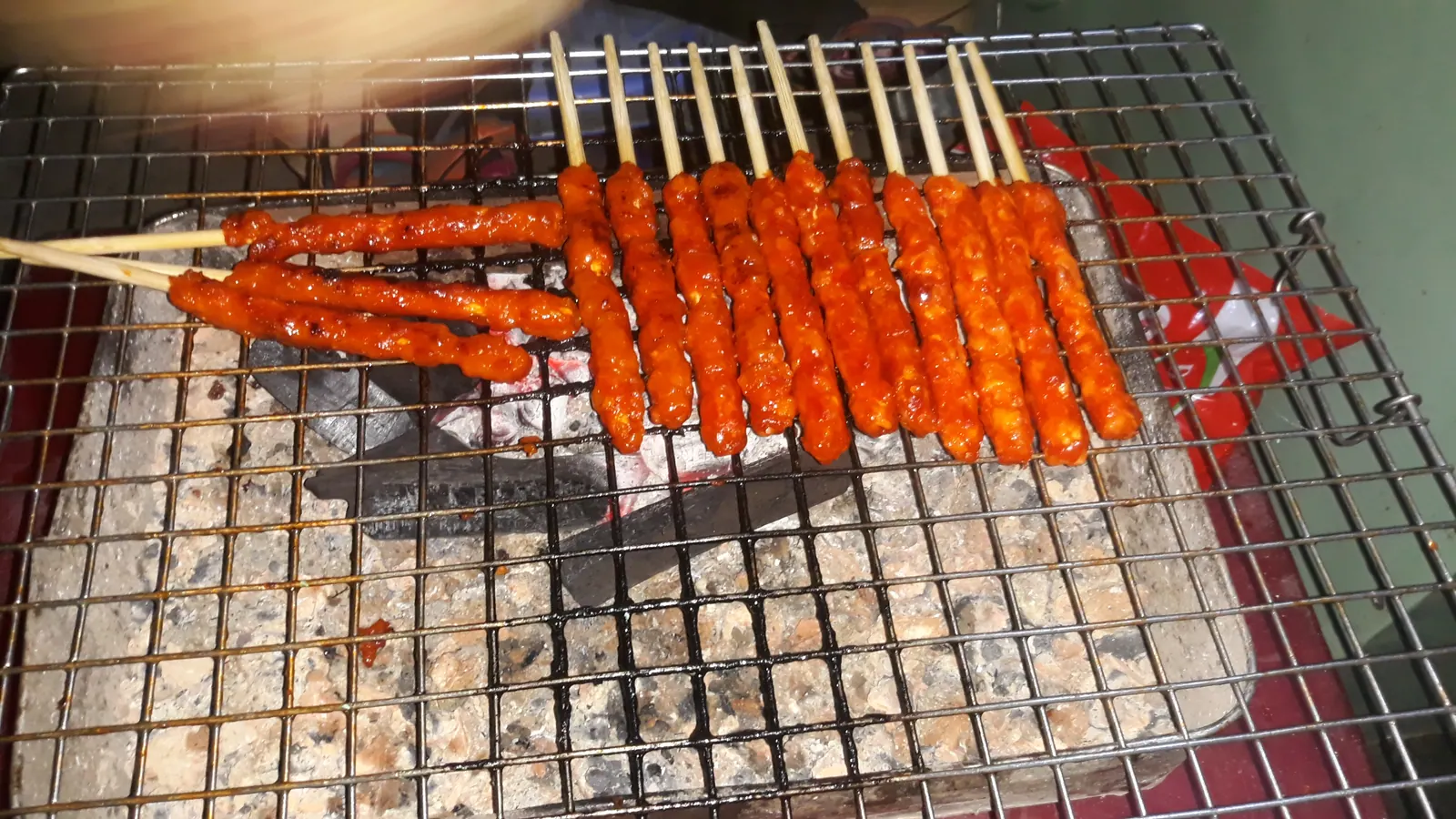
It belongs to a small set of dishes in this province that are better in the town they are named for, and the other one is nem nướng, about which I make the same argument in nem nuong in its home town. If you would rather stay in the city, the coffee that goes with a stacked-plate breakfast is in Nha Trang coffee mornings, and the wider picture of what to eat in the city is on the Nha Trang Guide food page.
What I’d do
- Leave Nha Trang by 06:30 on a motorbike, west along đường 23 tháng 10; you are on the bánh ướt strip in Phú Khánh Trung by 07:00.
- Pick the busiest shop. Sit, eat until the stack looks like a decision, pay by the plate count.
- Coffee at the same table or next door.
- The citadel’s east gate is a few minutes further along the same road; walk the gates and the rampart while it is cool.
- Back in Nha Trang before ten, in time for a swim, or turn north for Am Chúa and the rice roads if the day is yours.
Do not do it the other way round. Bánh ướt in the afternoon, when I once tried it in the city, came as a plate of sheets that had been waiting, which is exactly what the Diên Khánh way of serving it exists to prevent.